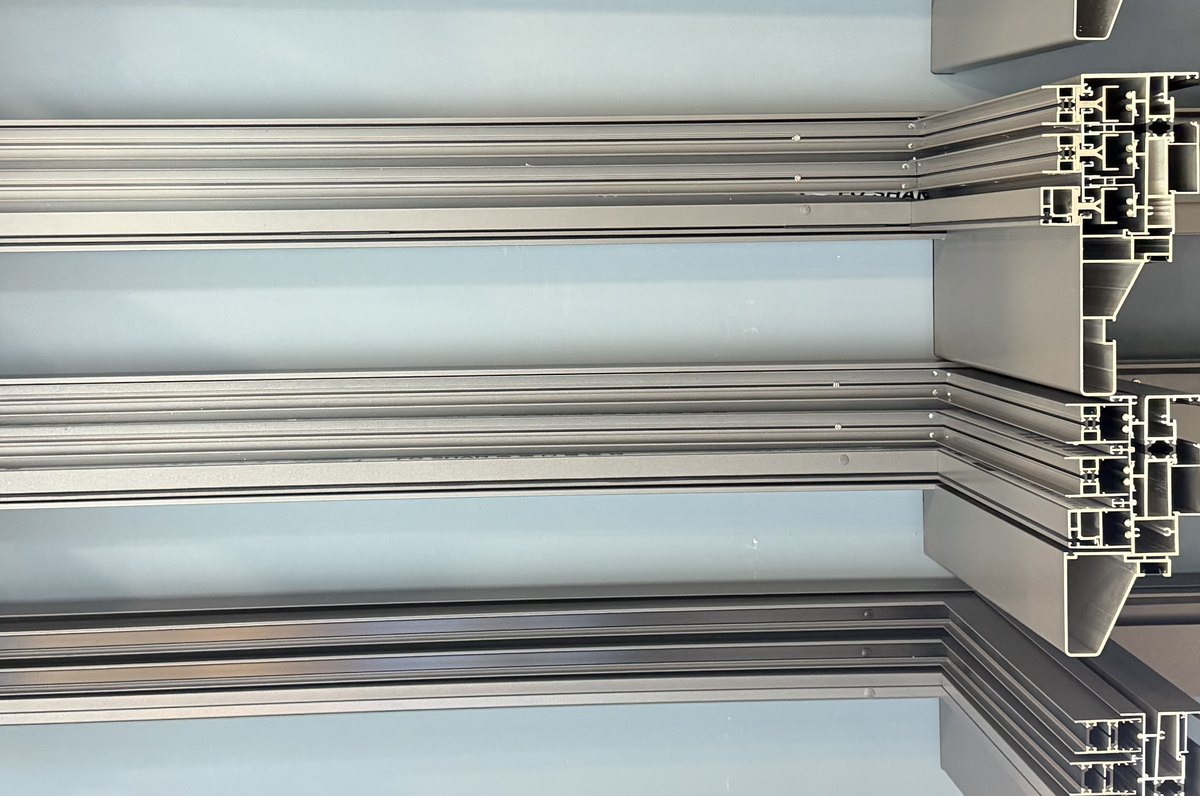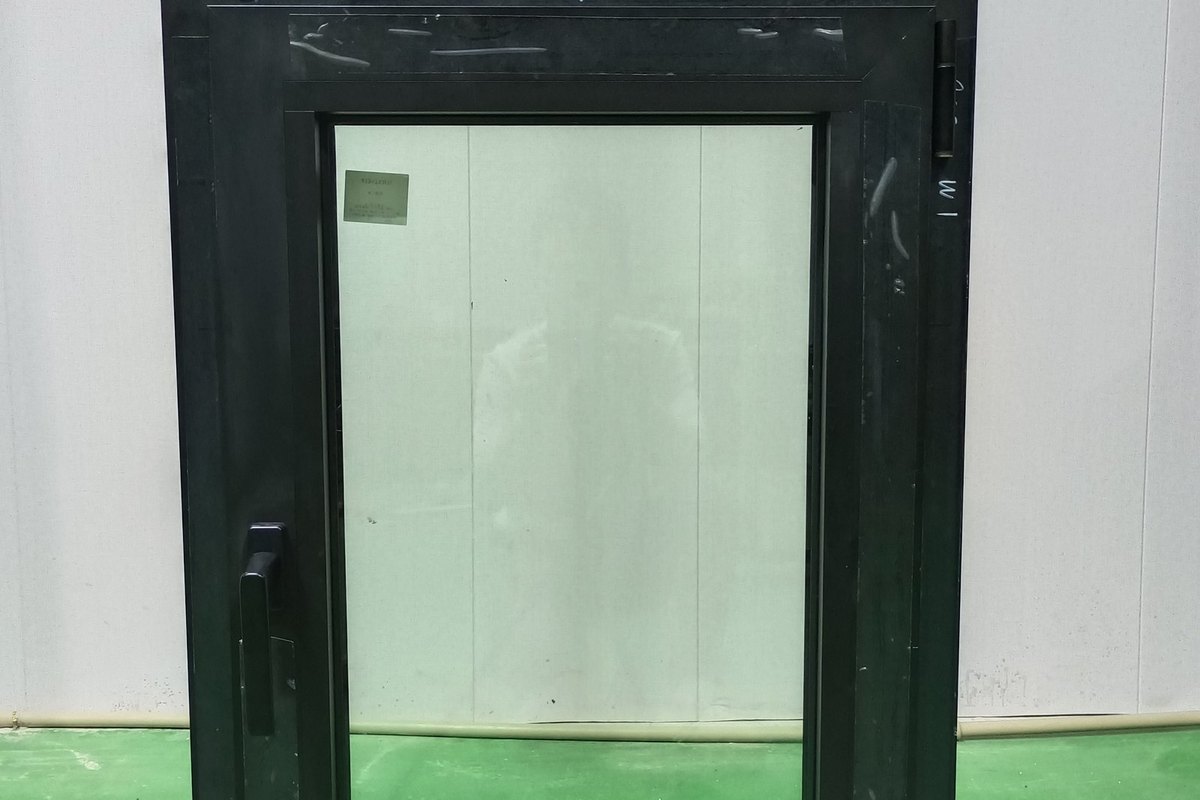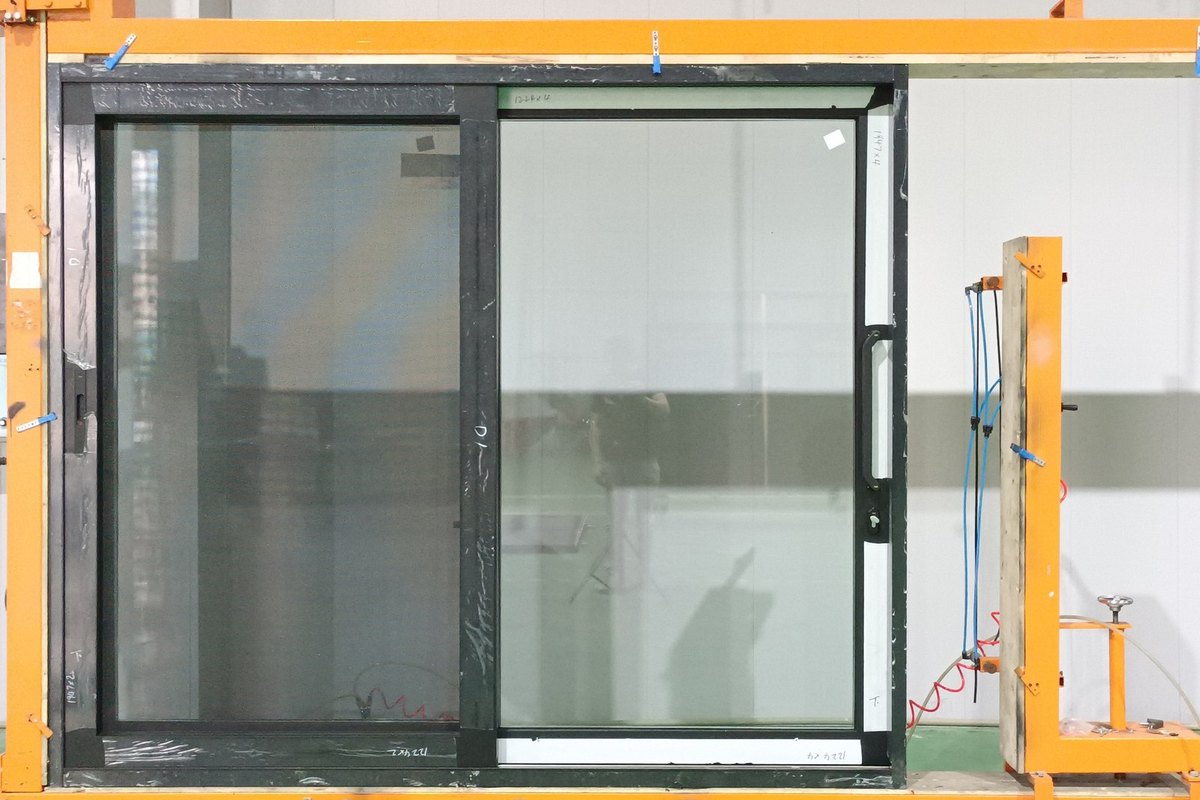
The Australian case covers aluminium windows and doors of Chinese origin, and that has started a supplier shift toward Vietnam, Malaysia and Thailand. Changing origin is a legitimate response. It does not automatically solve the problem the buyer is trying to solve, because origin and product certification are two different tests.
Two questions that get confused
- The origin test: where the goods were made, and whether that origin is covered by the measure.
- The product test: whether the window meets AS 2047 and the wind classification the project requires.
A different country can change the first answer. It does not change the second.
The origin test in practice
Origin is not decided by the port of shipment. It is decided by where the goods were substantially transformed, and it is evidenced by documents: certificate of origin, producer details and production records. Regulators look specifically for routing through a third country, and reporting in August 2026 described that concern directly for Chinese windows entering Australia.
The useful questions are therefore: who produced the window, where, and can the supplier evidence it — not which port it leaves from.
The product test in practice
Australian projects are specified against AS 2047 for windows, with AS 1288 covering glazing and AS 4055 or AS/NZS 1170.2 providing the wind classification depending on the building type. If the supplier changes factory, the certification has to cover the new factory and the specific system. A certificate issued for another plant, or another profile, does not transfer with the order.
Checklist before switching origin
- Certificate of origin naming the producer, consistent with the commercial invoice and packing list.
- AS 2047 certification that names the factory and the system being supplied.
- Test report for the wind classification required by the project.
- Glass supplier and make-up, because the glazing is part of the certified system.
- Lead time and shipping route, including any transshipment.
- A named party responsible if the classification is challenged at entry.
What usually goes wrong
The common failure is not fraud. It is a mismatch: a certificate for a different factory, a matching profile with different glazing, or a wind classification on the drawing that is higher than the tested system. Each is a documentary problem that surfaces after the container has arrived, when the schedule is least able to absorb it.
Compare landed cost, not unit price
When comparing origins, compare landed cost including freight, duty treatment, lead time and the cost of re-certification. A cheaper unit from a new origin can cost more once certification and schedule risk are included.
What we can and cannot document
We supply production documentation, origin documents that match actual production, and system certification information the project's certifier can check. We do not support any arrangement that misstates origin. If the numbers only work with incorrect paperwork, the answer is a different specification or a different delivery structure.
Next step
If you are reviewing origins for an Australian project, send the schedule, the wind classification and the certification your certifier requires. We will tell you what we can document and what we cannot. See our aluminium window systems, uPVC window systems, or read the earlier article on Australia's preliminary dumping findings.