
Importing doors from China is one of the smartest ways to build a competitive door business. Chinese manufacturers offer strong pricing, extensive customization, and proven export experience. This guide explains the complete process so you can import entry doors, room doors, and windows with confidence.
Step 1: Define Your Product Requirements
Before contacting suppliers, write down your product specifications. Include door type, material, dimensions, finish, glass options, hardware, lock system, and target quantity. Clear requirements help factories give accurate quotes and reduce the chance of mistakes during production.
Step 2: Find a Reliable Factory
Look for manufacturers with real production facilities, export experience, and a product range that matches your market. Verify the factory address, request photos and videos of the production line, and check references from other buyers. A factory that has exported to your region already understands your packaging and documentation needs.
Step 3: Request Samples
Always request samples before placing a large order. Evaluate the material thickness, welding quality, surface finish, hardware movement, and packaging. If the sample does not meet your standard, the factory should be willing to adjust it. Sample inspection is the most effective way to protect your brand.
Step 4: Confirm Pricing and Payment Terms
Compare quotes carefully. The lowest price is not always the best value; consider quality, lead time, and communication. Confirm whether the price includes packaging, export documents, and freight. Typical payment structures for international buyers are 30% deposit and 70% before shipment, or a letter of credit for larger projects.
Step 5: Production and Quality Inspection
During production, request progress photos and agree on key inspection points. Many importers use a third-party inspection company before shipment. Check door dimensions, hardware installation, surface condition, and packaging. Clear acceptance criteria prevent disputes later.
Step 6: Shipping and Customs Clearance
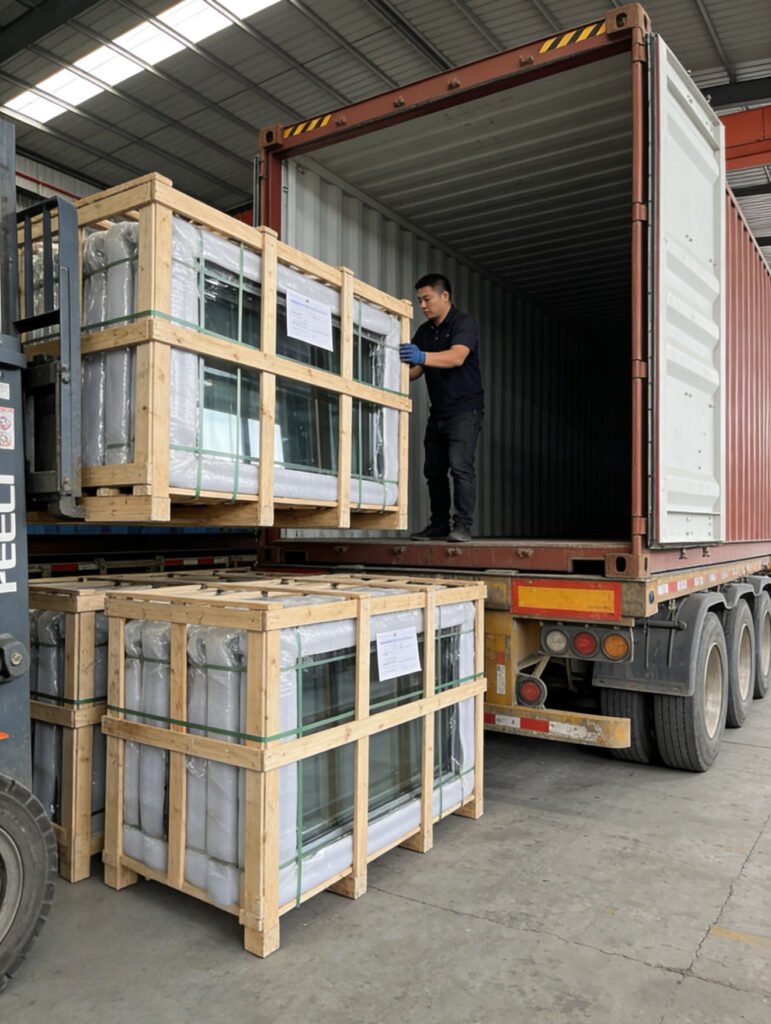
Choose the shipping method that fits your order size and timeline: sea freight for full containers, air freight for urgent orders, or courier for samples. Your factory should provide the commercial invoice, packing list, bill of lading, and any certificates required by your customs authority. Work with a freight forwarder who knows door products to avoid delays.
Step 7: Plan for After-Sales Support
Ask about warranty terms, spare parts availability, and installation guidance. A reliable manufacturer will support you after delivery and help solve installation or quality questions. This is especially important when you are building a new brand in your local market.
Common Mistakes to Avoid
- Choosing a supplier only on price without checking quality.
- Skipping sample approval before bulk production.
- Not confirming packaging standards for long-distance shipping.
- Ignoring import duties, taxes, and port handling costs in the final margin.
SJ DOORS is a Foshan-based factory manufacturing premium entry doors, room doors, and windows since 2011. Contact us for samples, wholesale pricing, and OEM support.
Frequently Asked Questions
How long does it take to import doors from China?
Production normally takes 20 to 45 days. Sea freight from China to most international ports takes 15 to 40 days depending on the destination. Air freight is faster but significantly more expensive, so it is mainly used for samples and urgent small orders.
What documents do I need for customs clearance?
The essential documents are the commercial invoice, packing list, bill of lading or airway bill, and often a certificate of origin. Depending on your country, you may also need test reports, fumigation certificates, or a letter of credit. Your factory and freight forwarder should provide or arrange these documents.
Can I import custom doors with my own brand?
Yes. OEM production allows you to use your own brand on the door, packaging, and documentation. You can also customize the design and finish through ODM service. Confirm branding details and artwork before production.
What are typical door export packaging standards?
Doors are usually wrapped with protective film, corner guards, and strong cartons or wooden crates for sea freight. Good packaging prevents scratches, dents, and moisture damage during long transit. Always confirm the packaging specification with your supplier.
Planning the Import Before the First Payment
A successful door import begins with the correct specification. Confirm the finished opening dimensions, material, frame depth, handing, lock, hinge, glass, finish, and installation method. The supplier should issue shop drawings and receive written approval before production.
Supplier and Sample Review
Compare factories using samples, similar project references, production capability, inspection records, and export experience. A sample confirms appearance and hardware, but the factory’s quality system determines whether future shipments match.
Contract Details
State product specification, quantity, price, Incoterm, payment milestones, lead time, packing, tolerance, warranty, and inspection method. Define who supplies cylinders, anchors, glass, spare parts, and manuals.
Shipping and Customs Preparation
- Confirm HS classification with a qualified customs broker.
- Check labeling, packing list, invoice, and certificate requirements.
- Plan container loading and unit identification.
- Arrange marine insurance and inland transport.
- Prepare unloading equipment and secure storage.
- Keep digital drawings and inspection photos accessible.
Installation and After-Sales
Send installation drawings and hardware schedules to the site team before delivery. Check floor level, wall type, anchors, and clearances. Create a simple claim process for damage or missing parts, with photographs, packing labels, and model numbers.
FAQ
Which Incoterm is best for a first order?
FOB is often manageable for experienced importers. Door-to-door delivery can reduce coordination but usually costs more.
How many containers should we order?
Start with a volume that matches confirmed demand and warehouse capacity. A mixed trial container can test several models.
What reduces installation problems?
Accurate finished-opening measurements, approved shop drawings, clear handing labels, matched hardware, and site installation instructions.